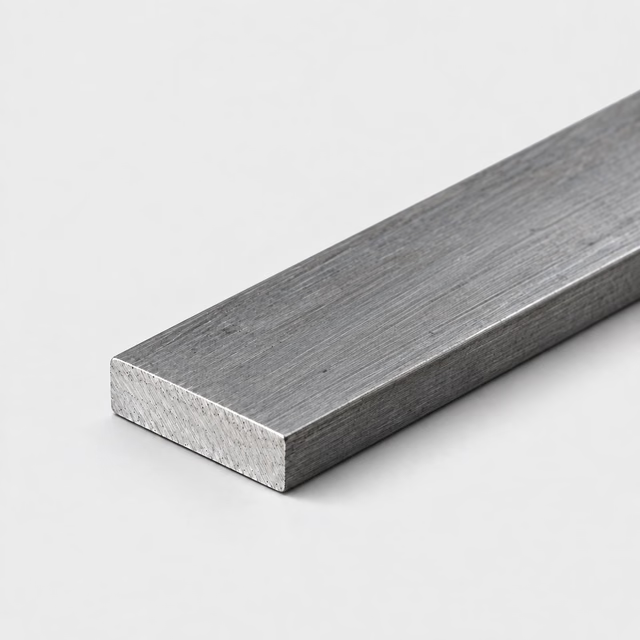
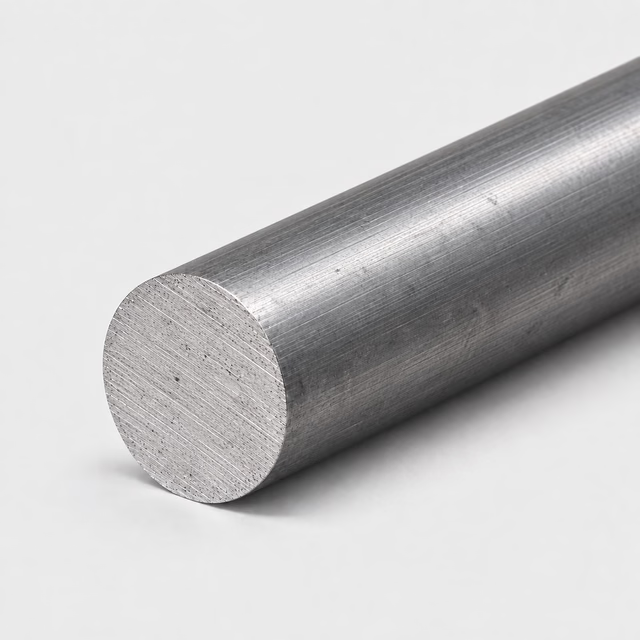
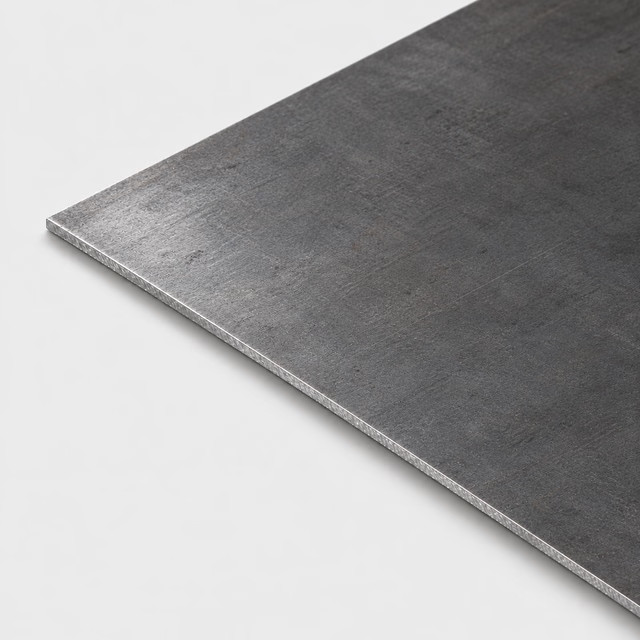
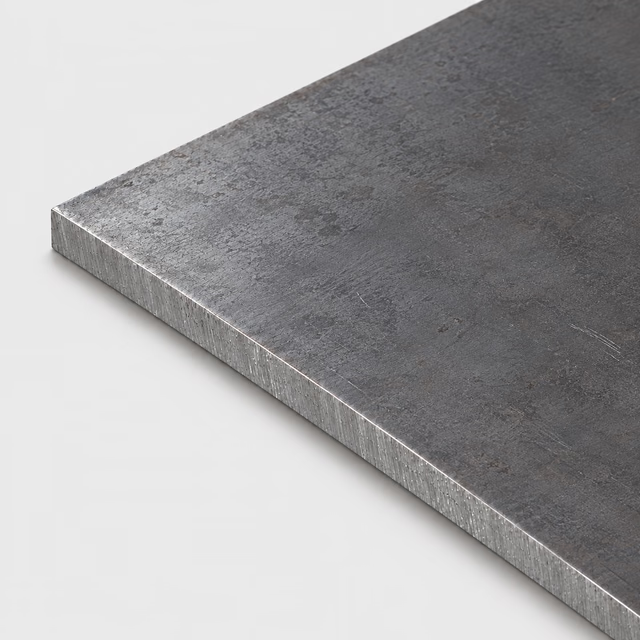
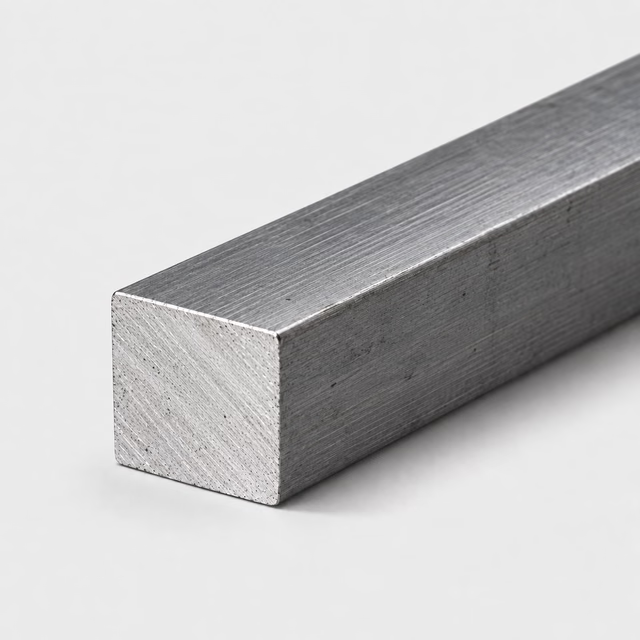
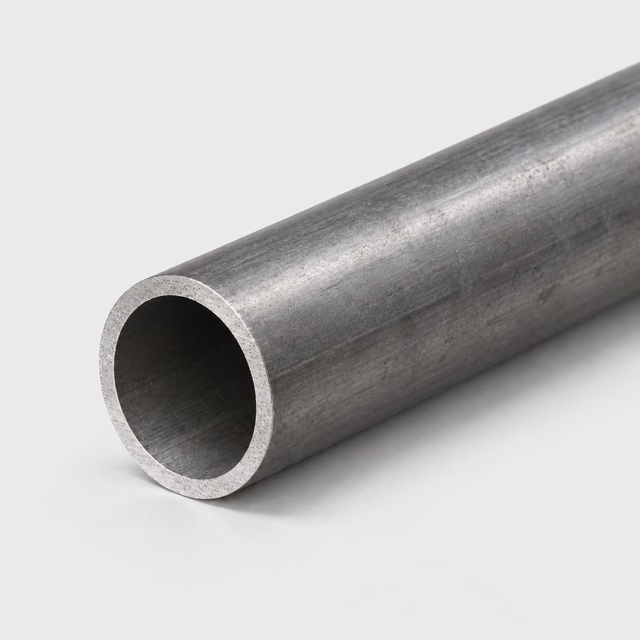
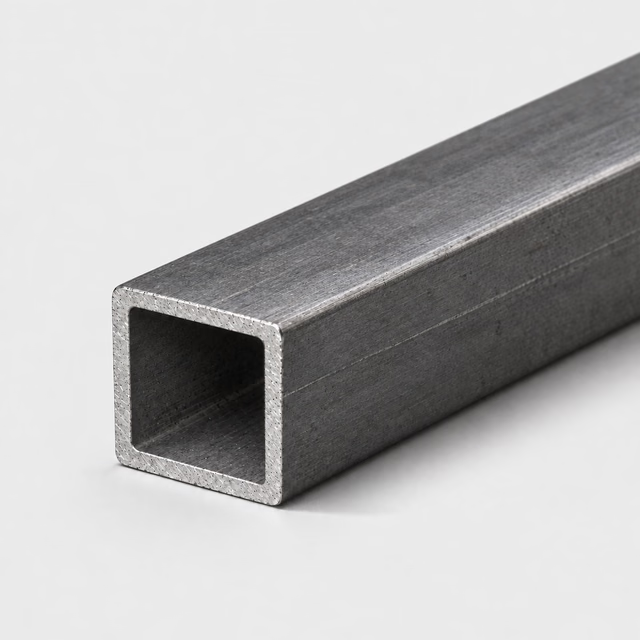
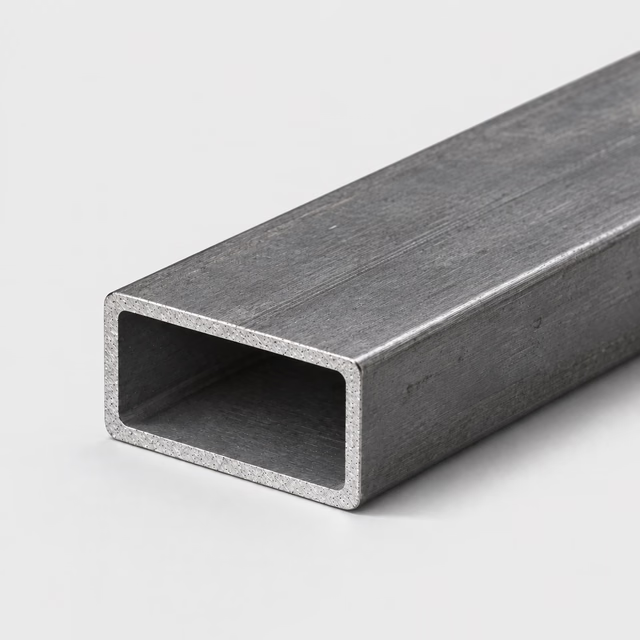
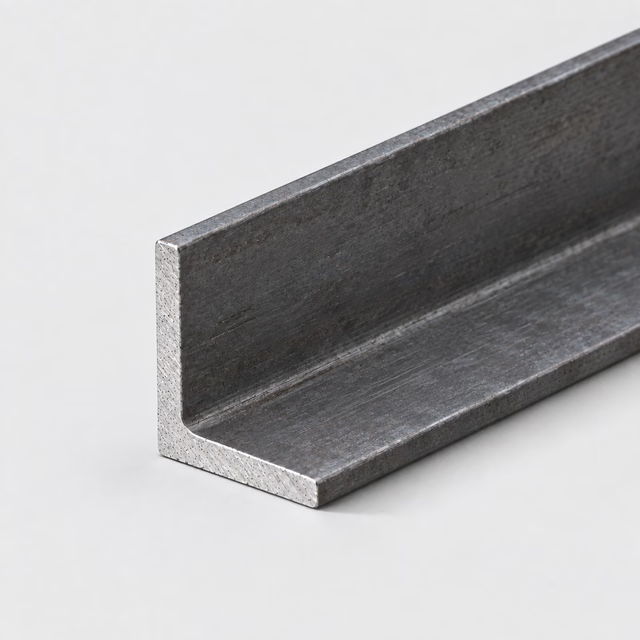
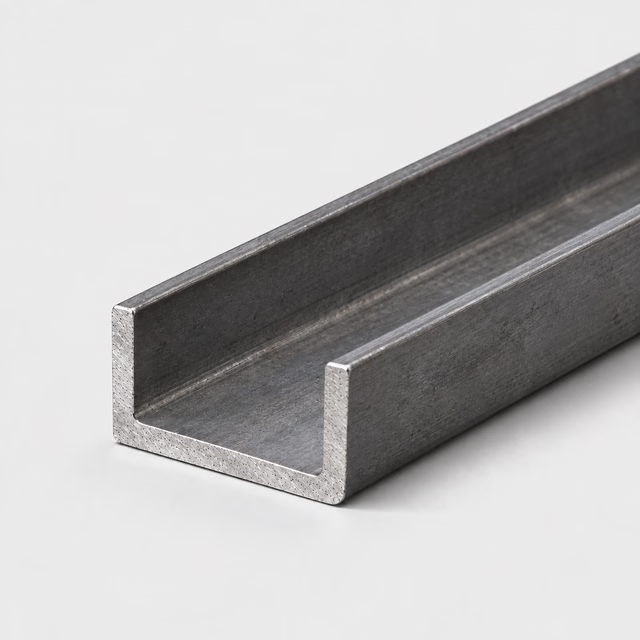
Browse carbon steel flat products, solid bars and hollow or open profiles. The bar families include a 1018 reference; the other profiles need a grade or specification identified during review.
This range describes material and profile combinations available to request. It does not represent live stock, confirmed grades, cutting capacity or delivery dates.
1018 identifies a low-carbon steel grade; cold finished and hot rolled describe processing conditions. Do not use those terms interchangeably with a required product standard. For a frame, support or machine component, carry the grade and applicable standard from the drawing into the request instead of assuming that every steel shape shares one specification.
Identify the grade or applicable standard on the drawing.
Call out stock condition and surface requirements before fabrication.
Specify corrosion protection when the finished part needs it.
Treat load-bearing selection as a design decision, not a weight-calculator result.
01
Connect the material callout to the product form
Carbon steel is a broad material group, so a useful request identifies both the section and the requirement governing it. The 1018 references here belong to solid bar families; they should not be copied automatically onto sheet, plate or hollow profiles. Steel Tube Institute guidance describes A500 as a specification for structural tubing, illustrating why the product form matters. Carry the exact requirement from the design into the request, with any unresolved grade choice clearly marked rather than silently filled in.
02
Surface condition changes the work before finishing
A steel surface intended for machining does not have the same acceptance target as one ready for coating. Mill scale is an oxide layer associated with hot processing; oil, rust and workshop contamination are other surface conditions that can matter downstream. Their presence and the required preparation depend on the supplied product and finishing system. Budgeting only for the raw cut piece can hide that work. Define the surface needed at the next process stage, and allocate preparation to the appropriate shop.
03
A blank and a finished component have different economics
A simple steel blank may need facing, drilling or milling before it works in an assembly. Buying a closer starting size can reduce material removal, but the shop still needs enough usable stock for its setup and final surfaces. Conversely, specifying every raw face as a finished face can add work that the design never uses. Compare alternatives against the actual machining sequence: where the part is held, which surface is created first and which stock faces remain in the completed component.
Separate steel identity from preparation
Separate steel identity from preparation
Requirement
What it describes
What it leaves to decide
1018 solid-bar reference
The catalog's grade reference for these bar families
Stock condition and finished-part operations
Tube product specification
Requirements tied to a hollow product form
The actual design and connection details
Pickled or oiled condition
A receiving-surface description
Final protection and preparation for the next operation
Machined mounting face
A functional surface on the completed component
The blank and machining route needed to produce it
FROM A PROJECT IDEA TO A CUT LIST
Example: three clearly specified cut lines
Separate profiles and sizes into their own lines. These illustrative blanks show how to organize a request; the dimensions and quantities do not describe a tested assembly or confirmed stock.
Each line identifies a family, describes the requested section and keeps quantity separate from length. Add your part names, drawing references, alloy and condition requirements, plus any critical finish or tolerance. For example, a brushed visible panel and a hidden mounting bar need different finish notes even if they belong to the same project.
If several pieces are to be cut from one stock length, the sum of finished lengths is only the starting point: cutting loss and end preparation also take material. List the finished pieces you need and have the cutting plan checked instead of assuming that equal total lengths produce the same yield.
No. Those specifications are not implied by a material name or profile image. State the required specification, and confirm the supplied grade and documentation in the reviewed quote.
What is the difference between hot rolled and cold finished steel?
Processing affects surface condition, dimensional control and material properties. A smoother cold-finished surface does not automatically satisfy a finished-part tolerance. Confirm the actual product condition and any machining allowance.
Does cut-to-size steel arrive painted or galvanized?
No coating is implied. Request paint, galvanizing or another protection requirement explicitly; the quote must confirm whether that scope is included.
Does an oily steel surface mean the finished part is corrosion protected?
An oily receiving surface is not a defined paint, galvanizing or other finished protection system. It may also require removal before subsequent processing. Treat storage condition, surface preparation and the final protection requirement as separate decisions, with the coating or fabrication process defining its own acceptance criteria.
What does pickled and oiled steel mean?
Pickling removes oxide scale chemically, and oiling adds a temporary surface treatment for handling and storage. The description concerns surface condition; it does not specify the steel grade, final coating or a precision-machined face. A project still needs its own material and downstream finishing requirements.
Can I use the 1018 bar selection for a hollow steel section?
Treat the hollow section as its own product family. The catalog's 1018 reference does not identify the grade or specification of steel tubing. Enter the tube geometry and carry the applicable drawing requirement into the notes so the material callout remains tied to the correct form.
How should I request alternative steel sections without changing the design accidentally?
List the original section first and describe the specific flexibility you have, such as an acceptable envelope or a dimension that can be adjusted. Ask for alternatives to be identified separately. A proposed substitution should remain a proposal until the responsible designer accepts its effect on the assembly.
Why distinguish steel flatness from thickness?
Thickness describes the distance between the two broad surfaces; flatness describes the shape of a surface relative to a plane. A piece can satisfy one requirement without satisfying the other. For a base or mating plate, identify which characteristic the assembly depends on rather than treating them as one measurement.
Turn your specification into a clear request.
Include the material, dimensions, quantity and critical requirements. Availability, supplied condition, cutting and delivery are confirmed in a reviewed quote.