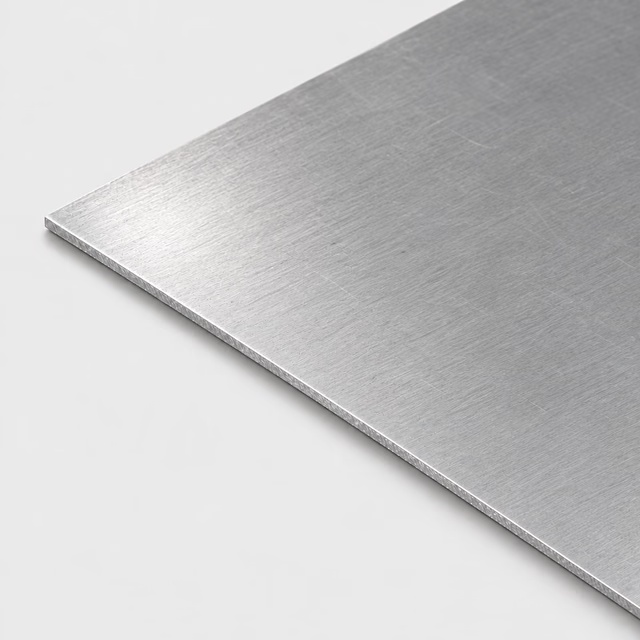
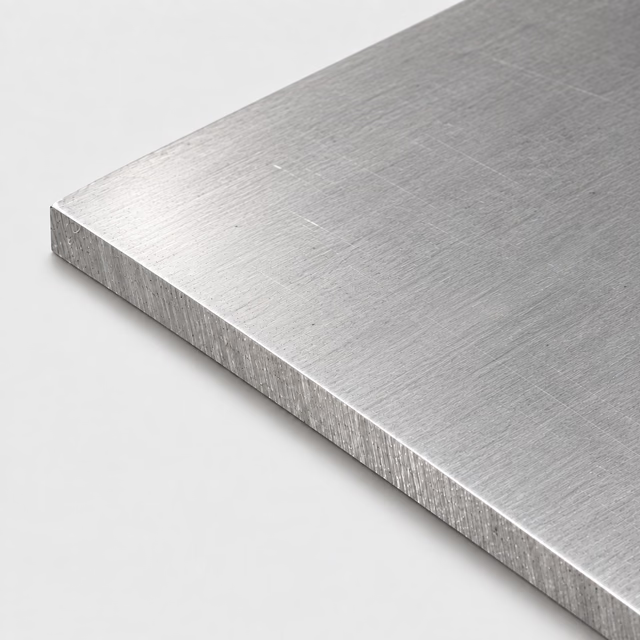
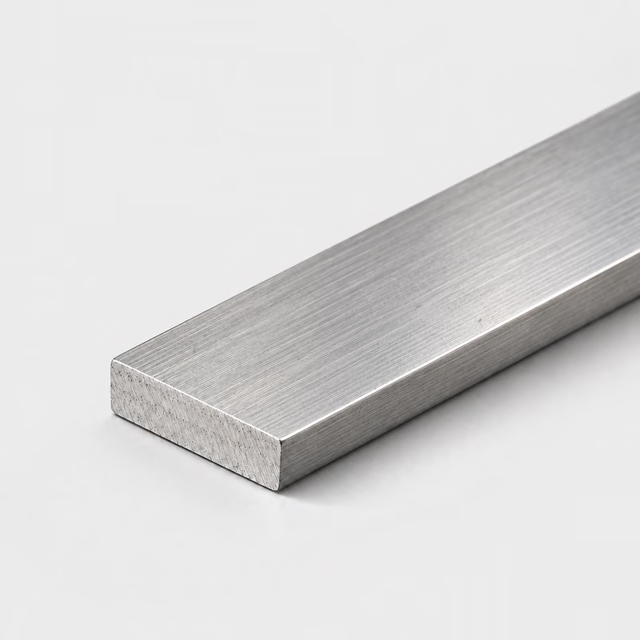
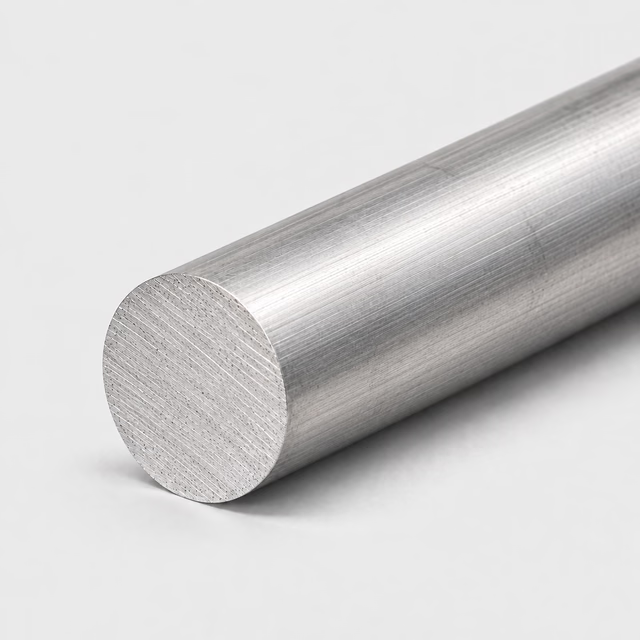
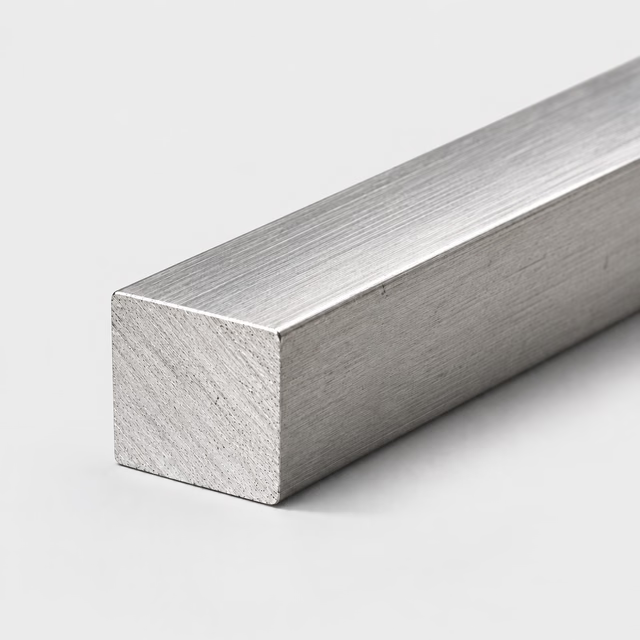
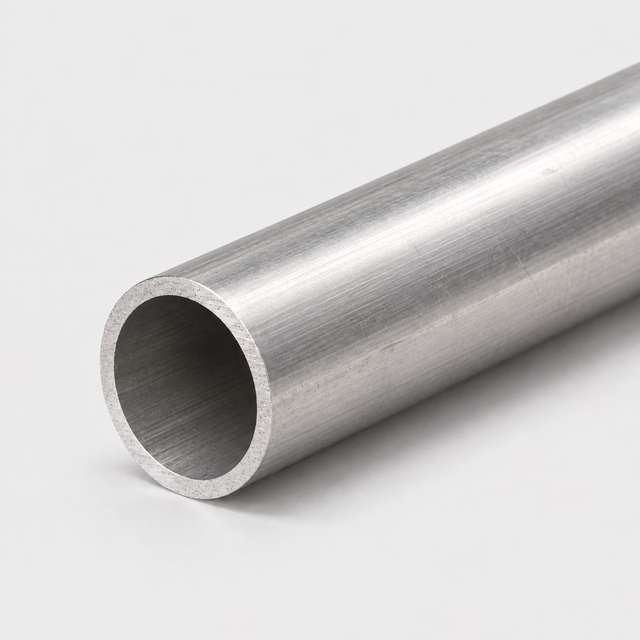
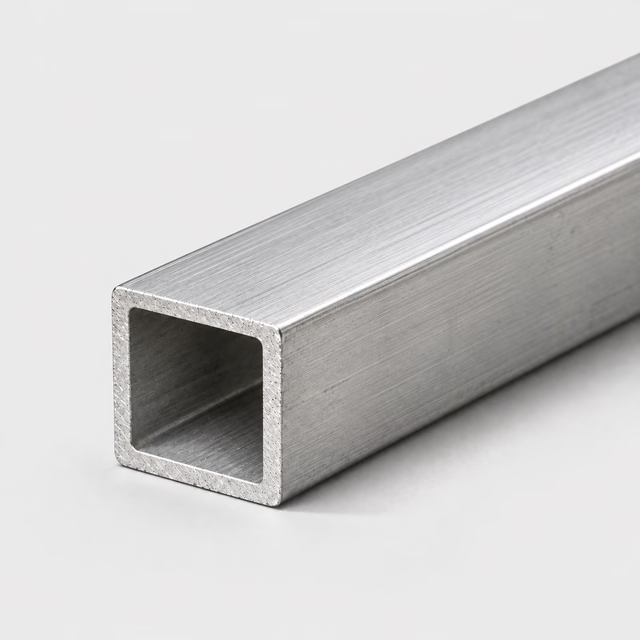
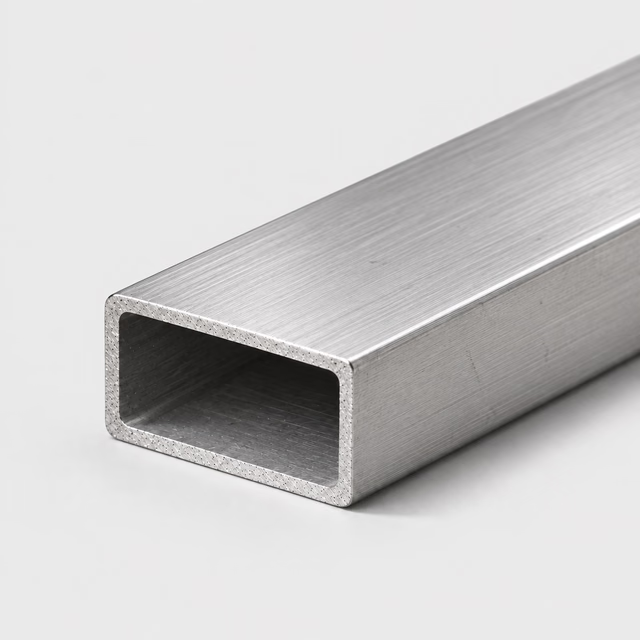
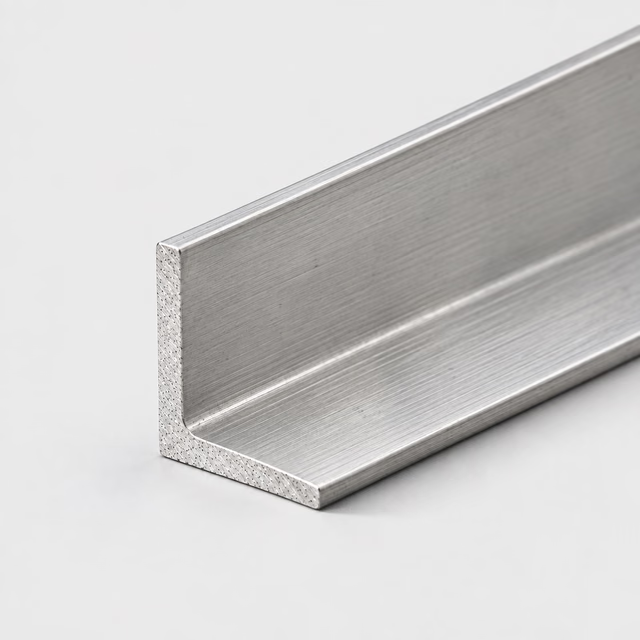
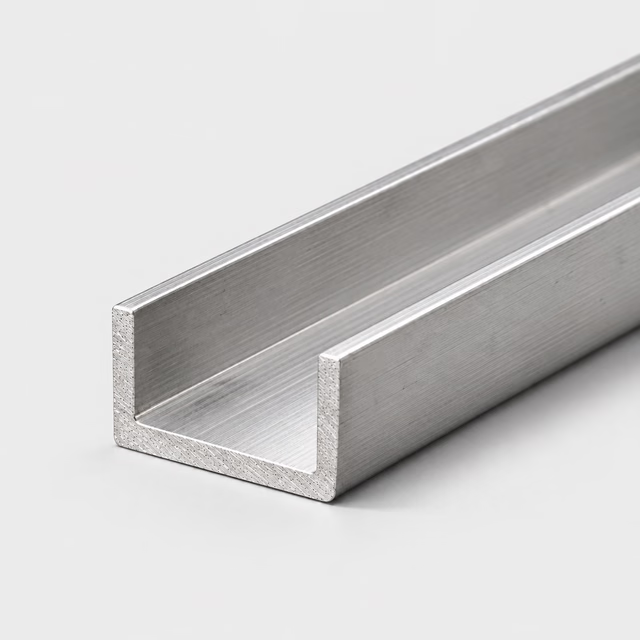
Explore ten stainless steel profiles with 304 and 316 grade references. Tell us where the part will be used, which surfaces will be visible and what documentation the project needs.
This range describes material and profile combinations available to request. It does not represent live stock, confirmed grades, cutting capacity or delivery dates.
304 and 316 are austenitic stainless grades. The molybdenum addition in 316 improves resistance to certain forms of corrosion, but neither grade is immune to every environment. Exposure to chlorides, cleaning chemicals and trapped moisture belongs in the specification discussion. Surface finish and fabrication details also affect the finished part.
Identify the grade rather than writing only stainless steel.
Describe the exposure and cleaning conditions.
Specify finish, grain direction and visible faces.
Request traceability or material documentation when the project requires it.
01
A brushed appearance has a direction
Brushing and polishing create visible surface texture; a brushed appearance often reads as lines running across the part. Two adjacent panels can therefore look different when their textures face different directions, even if their material grade is identical. The visual requirement belongs to the assembled set, including which face is exposed and how each piece is oriented. Surface texture is also distinct from the material's internal grain structure. An appearance reference and orientation arrows answer different questions and are both useful for visible work.
02
Include the cleaning and exposure routine
A useful stainless specification describes what the part encounters during normal use and maintenance. Outokumpu identifies environment, surface finish, fabrication, contamination and maintenance as factors in corrosion behavior. Translate that into a practical brief: what touches the part, how it is cleaned, whether liquids can remain in joints and which surfaces are difficult to reach. The aim is to give the material reviewer a realistic service picture rather than selecting a grade from the building's location alone.
03
Finish work follows the fabrication sequence
A polished stock surface is a starting condition, while a polished welded assembly is a completed result. Cutting exposes ends, joining creates local work and later machining changes individual surfaces. Those areas may need their own finishing steps to achieve the intended appearance. Decide whether the visual target applies before or after fabrication, and compare costs on that basis. For a concealed bracket, a decorative finish may add little value; for a visible handrail or panel joint, the finished transitions may dominate the result.
Stainless choices that should stay separate
Stainless choices that should stay separate
Choice
What it controls
Why it matters in use
304 or 316 grade
Material selection for the specified service
A polish description does not replace the alloy callout
Brushed or polished appearance
Visible surface texture
Adjoining faces can look different with different orientations
Raw stock or finished assembly
The stage at which a surface requirement applies
Joints and machined features may need later finishing
Traceable part identification
The connection between stock and its records
Similar-looking pieces can have different material requirements
FROM A PROJECT IDEA TO A CUT LIST
Example: three clearly specified cut lines
Separate profiles and sizes into their own lines. These illustrative blanks show how to organize a request; the dimensions and quantities do not describe a tested assembly or confirmed stock.
Each line identifies a family, describes the requested section and keeps quantity separate from length. Add your part names, drawing references, alloy and condition requirements, plus any critical finish or tolerance. For example, a brushed visible panel and a hidden mounting bar need different finish notes even if they belong to the same project.
If several pieces are to be cut from one stock length, the sum of finished lengths is only the starting point: cutting loss and end preparation also take material. List the finished pieces you need and have the cutting plan checked instead of assuming that equal total lengths produce the same yield.
Start with the specified environment. 316 is often considered for more demanding chloride exposure, while 304 is widely used in less aggressive conditions. For a critical application, have the grade checked against the actual service conditions.
Does a magnet prove that stainless steel is the wrong grade?
No. Cold working can make some austenitic stainless steels magnetic. A magnet is not a reliable substitute for traceable material documentation or suitable material identification.
Is stainless steel rustproof?
No. Stainless can corrode in unsuitable conditions. Grade, surface contamination, crevices, fabrication and maintenance all influence performance; specify the application rather than relying on the word stainless.
Does a brushed finish change the stainless steel grade?
No. Grade identifies the material, while brushing describes a surface treatment. The same grade can be supplied or processed with different appearances. A finish requirement should therefore sit alongside the 304 or 316 callout rather than replace it, especially where adjoining parts need a coordinated appearance.
What cleaning information belongs in a stainless material brief?
List the cleaning products or process requirements that the part will encounter, along with frequency, temperature information when relevant and any areas that remain wet. Share the actual maintenance plan if one exists. This gives the reviewer context that the grade name alone cannot provide.
What does surface roughness mean compared with visual polish?
Surface roughness describes measured texture, while a polish description often communicates an appearance or process. They are related but not interchangeable acceptance requirements. If a mating surface or cleaning process needs a particular measured finish, identify that requirement separately from a photograph or a general shiny appearance.
Should polished tubing and polished sheet use the same appearance description?
Describe the required appearance for each form and then state whether the completed pieces need to match visually. Different surfaces and viewing angles can make a broad polish description inadequate. A shared reference sample or agreed comparison method helps define the finished assembly more clearly.
Why might stainless fabrication need separate surface-restoration work?
Fabrication can alter the surfaces around cuts, machined features and joints. A completed assembly may therefore need additional work to achieve its specified condition and appearance. Decide what the finished part must meet, then distinguish that work from the finish of the incoming stock when comparing offers.
Turn your specification into a clear request.
Include the material, dimensions, quantity and critical requirements. Availability, supplied condition, cutting and delivery are confirmed in a reviewed quote.