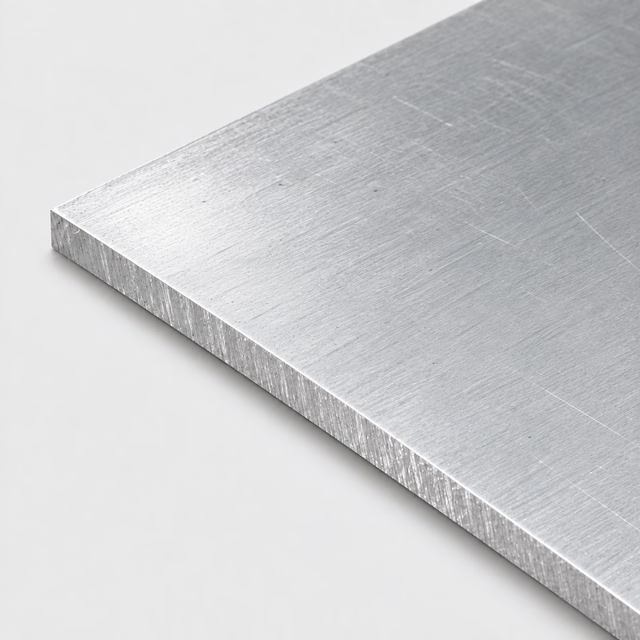
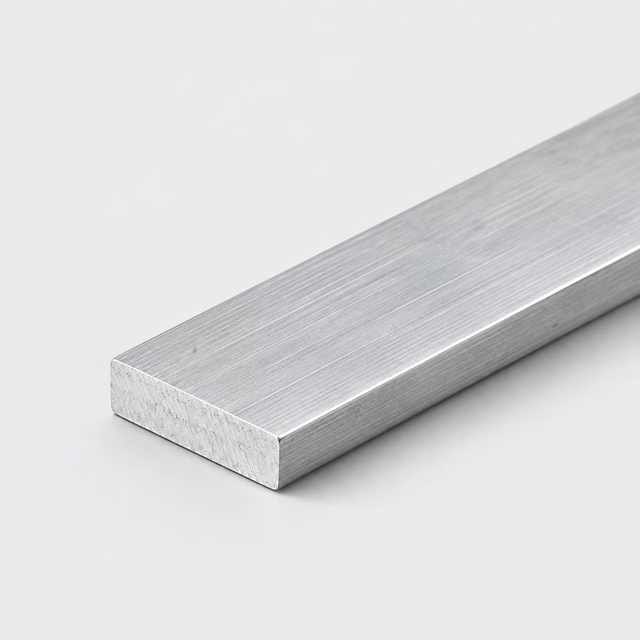
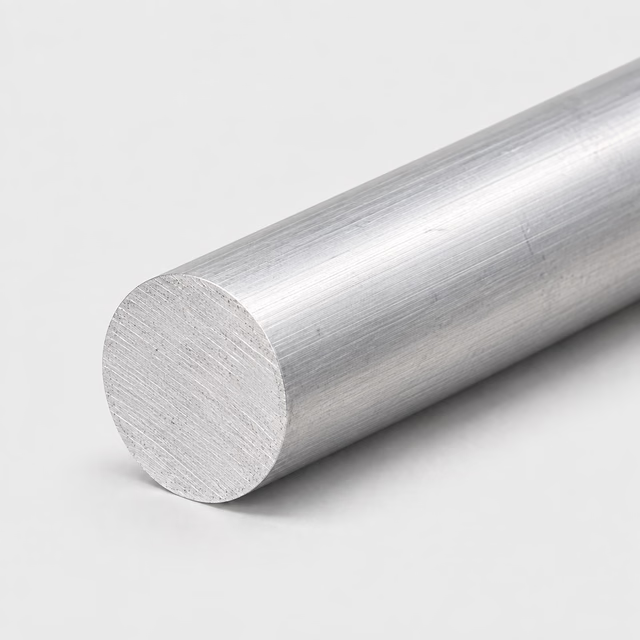
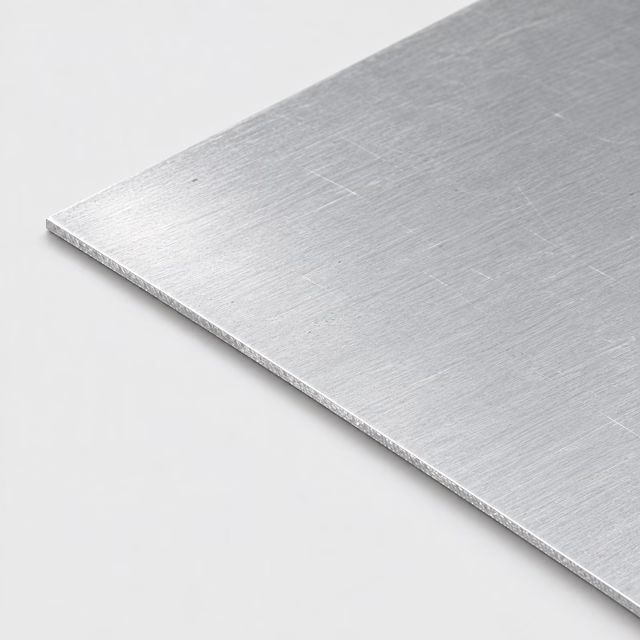
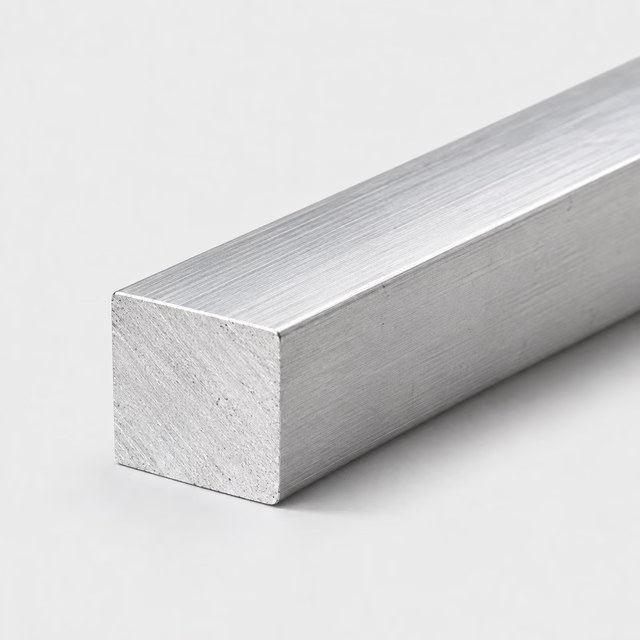
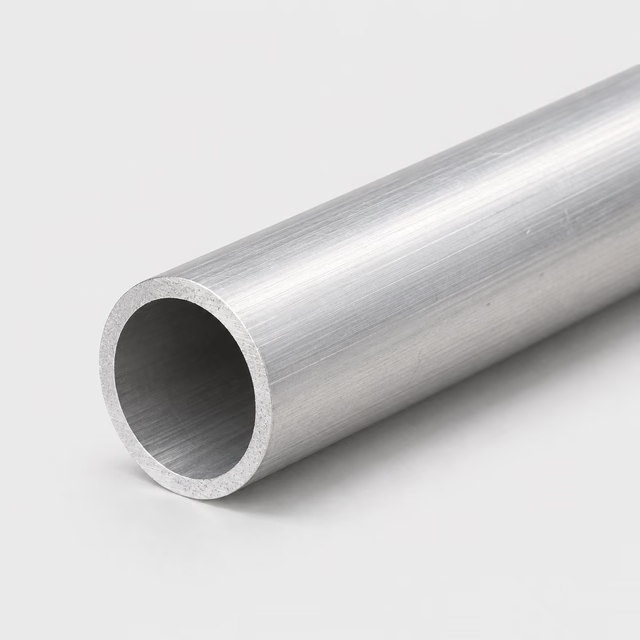
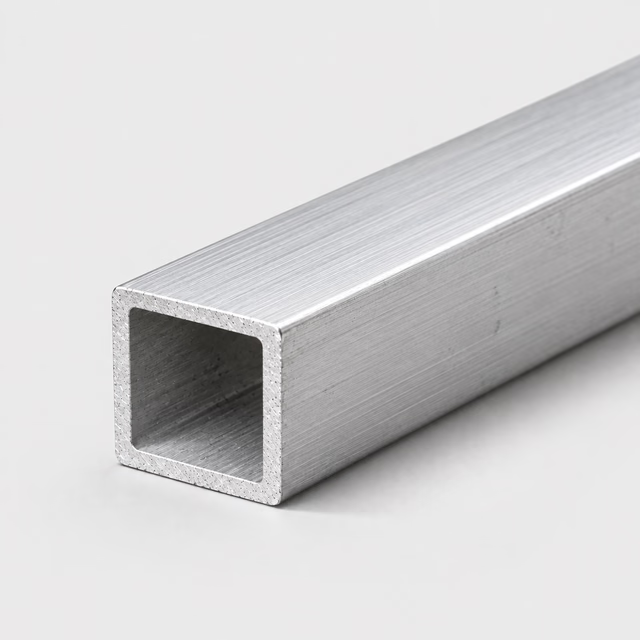
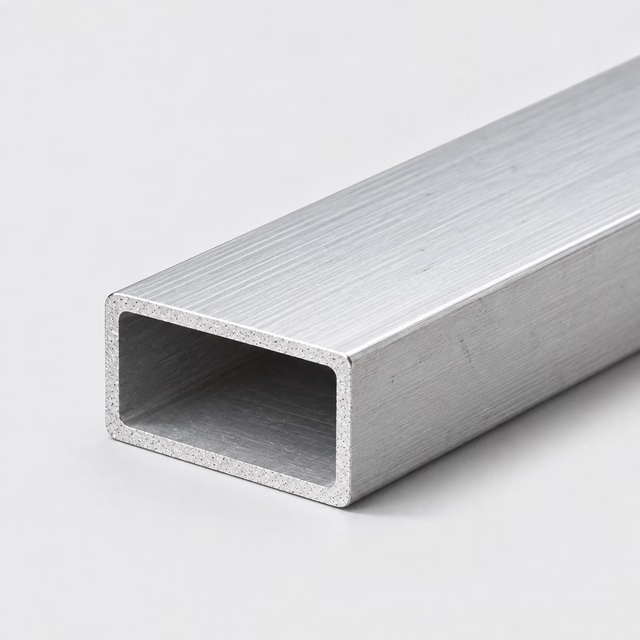
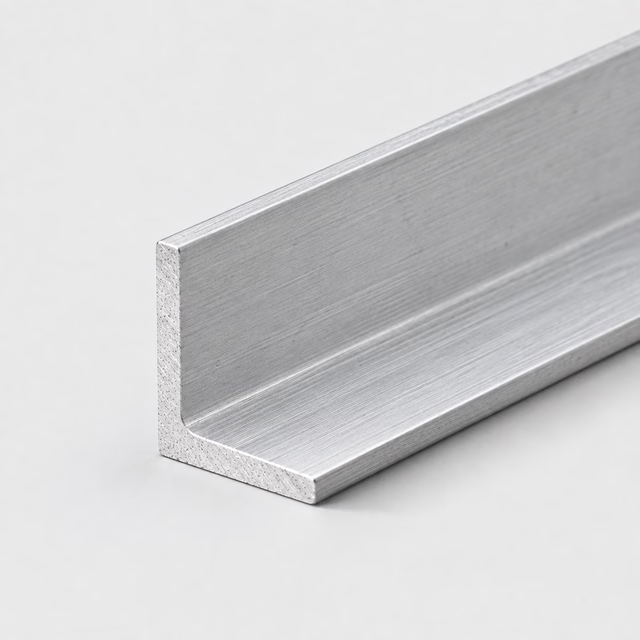
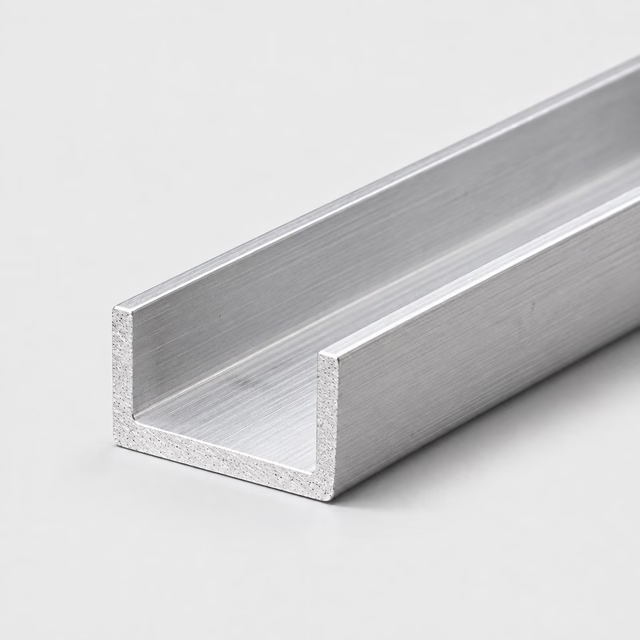
Explore aluminum sheet, plate, solid bars, tubes, angle and channel. Start with the alloy reference and the work your part needs, then specify the dimensions, temper and finish for review.
This range describes material and profile combinations available to request. It does not represent live stock, confirmed grades, cutting capacity or delivery dates.
5052 is a useful starting point for formed sheet. 6061 is commonly considered for machined stock and general fabrication. 6063 is often considered for extruded profiles where surface appearance matters. These alloy names do not establish bendability or final strength on their own: temper, section and subsequent processing also matter.
State the alloy and temper separately, such as 6061-T6 or 5052-H32.
For bent parts, provide the bend radius, direction and finished drawing.
For visible parts, specify the required finish and which faces are exposed.
For machining, distinguish raw stock allowance from final part dimensions.
01
Alloy and temper explain different parts of the choice
The digits in 6061 identify the alloy; a suffix such as T6 identifies a temper. They are not two ways to say the same thing. Processing condition helps explain why stock with one alloy number can behave differently during fabrication. For a machined plate, formed cover or joined frame, the useful selection is the alloy and condition together. Carry the approved combination from the drawing, and evaluate any proposed change against the next operation rather than the silver appearance of the stock.
02
Plan visible surfaces as a complete set
For trim, displays and other visible assemblies, describe the appearance of the assembled group rather than just one loose piece. Mark the faces that will be exposed, the preferred direction of any visible texture and whether adjoining pieces need a coordinated finish. Hydro identifies surface appearance as a reason to consider 6063 profiles. That is background for selection, not a color-matching guarantee. A finish reference and an agreed sample are more useful purchasing tools than a photograph of generic silver metal.
03
Understand what an extrusion gives you
An extrusion supplies a repeated cross-section along its length. Cutting it shorter changes the length, while its walls, legs and interior features remain part of the original profile. This can suit rails, frames and trim that share a consistent section. It is a different starting route from machining the same outline from solid stock. A standard listed family is a place to describe the section you need; a unique cross-section introduces a separate manufacturing and sourcing question.
Compare the listed aluminum routes
Compare the listed aluminum routes
Starting point
Useful selection focus
Tradeoff to resolve
5052 sheet
A flat blank for a forming discussion
The alloy alone does not define temper or bend geometry
6061 plate or solid bar
Stock for machining and general part geometry
The blank must accommodate the setup and final surfaces
6061 or 6063 listed profiles
An existing section rather than an outline machined from solid stock
Available geometry must fit the assembly
Visible aluminum parts
Finish and direction across the complete set
Material selection alone does not establish a matched appearance
FROM A PROJECT IDEA TO A CUT LIST
Example: three clearly specified cut lines
Separate profiles and sizes into their own lines. These illustrative blanks show how to organize a request; the dimensions and quantities do not describe a tested assembly or confirmed stock.
Each line identifies a family, describes the requested section and keeps quantity separate from length. Add your part names, drawing references, alloy and condition requirements, plus any critical finish or tolerance. For example, a brushed visible panel and a hidden mounting bar need different finish notes even if they belong to the same project.
If several pieces are to be cut from one stock length, the sum of finished lengths is only the starting point: cutting loss and end preparation also take material. List the finished pieces you need and have the cutting plan checked instead of assuming that equal total lengths produce the same yield.
5052 is commonly used for formed sheet. Hardened 6061 can crack in tight bends; suitability depends on temper, thickness, bend radius and direction. Share the bend drawing rather than choosing an alloy from strength alone.
Does 6063 replace 6061 in every profile?
No. They are different alloys with different design and fabrication considerations. A 6063 profile should not replace specified 6061 without checking the application and obtaining approval for the substitution.
Does mill finish mean anodized aluminum?
No. An as-supplied surface and an anodized finish are different requirements. State the desired appearance, coating and exposed faces; any finishing scope must be confirmed in the quote.
What does the T6 suffix tell me about aluminum?
T6 is a temper designation, separate from the alloy number, describing a solution heat-treated and artificially aged condition. It is part of the material callout rather than a finish description. The required alloy and temper should be considered together when planning fabrication or evaluating a proposed substitution.
Why can welding change the assumptions behind an aluminum stock selection?
The supplied temper describes the incoming material, while welding introduces heat locally. Hydro notes that welding can reduce strength in the weld region of heat-treated 6063. That is why the finished joint and fabrication process need their own design review rather than inheriting a stock-property assumption.
How can I request consistent appearance across several aluminum pieces?
Group the visible pieces under the same finish requirement and identify the surfaces that must match. Include a sample, approved reference or clear acceptance description where possible. Specify whether finishing occurs before or after your fabrication so that the desired appearance is evaluated at the right stage.
What if my drawing specifies an alloy that is not offered for the selected shape?
Keep the drawing callout intact and explain the mismatch in a project request. Do not choose a different listed grade simply to complete the form. The useful question is whether the required material can be sourced in that form or whether an approved design change is needed.
Why might an extruded aluminum profile save machining work?
An existing extrusion already contains a repeated section, such as the walls of a tube or the legs of an angle. If that geometry suits the part, less material may need to be removed from a solid blank. The tradeoff is that the available profile must suit the required interfaces.
Turn your specification into a clear request.
Include the material, dimensions, quantity and critical requirements. Availability, supplied condition, cutting and delivery are confirmed in a reviewed quote.