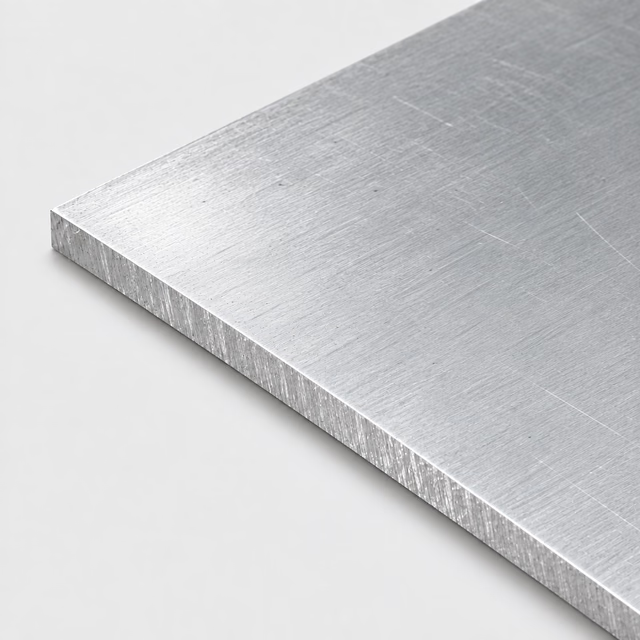
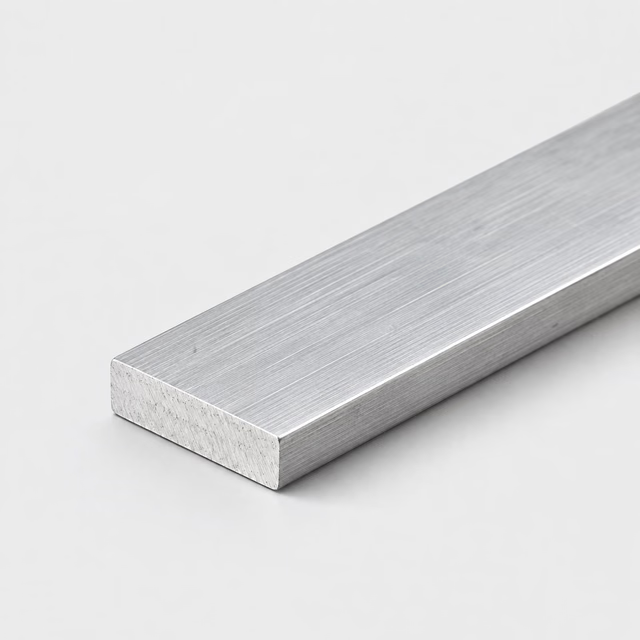
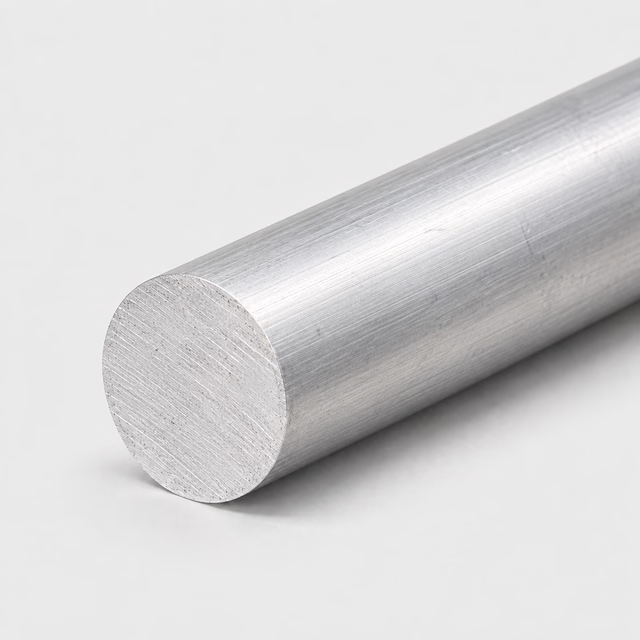
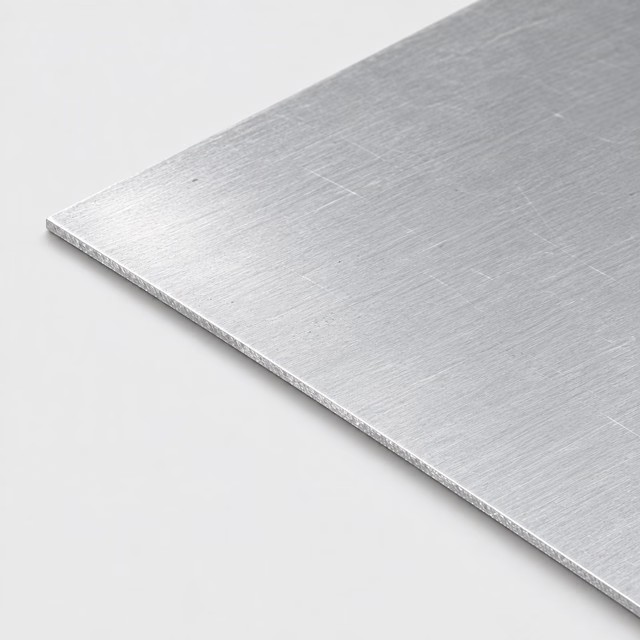
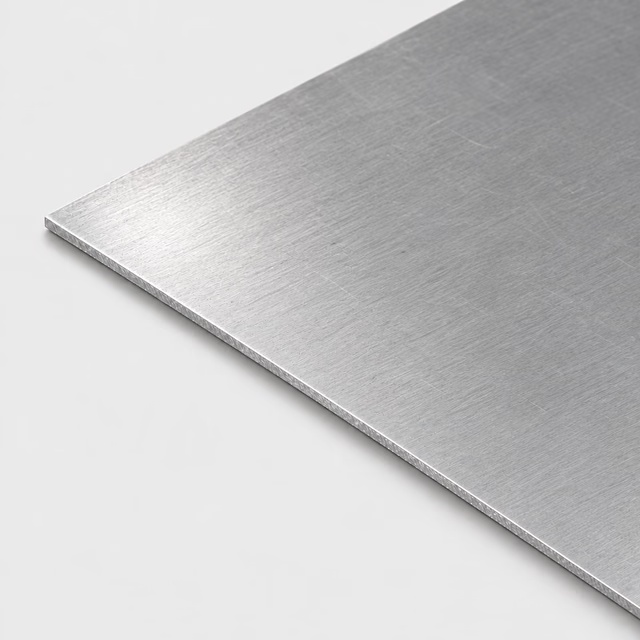
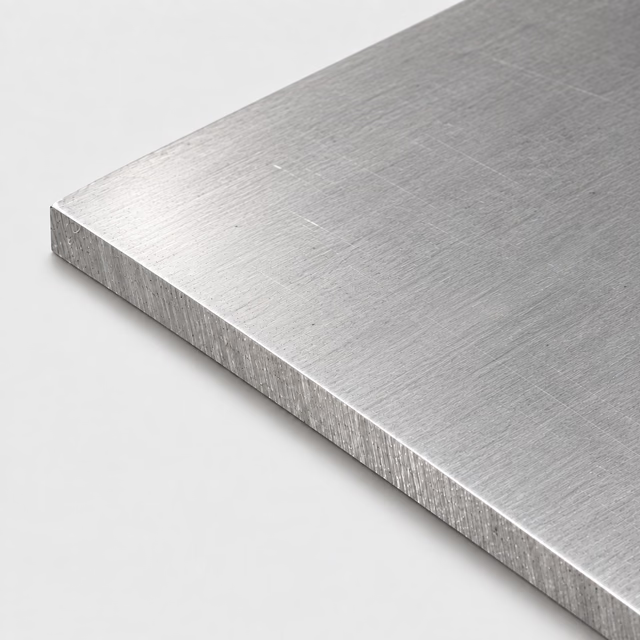
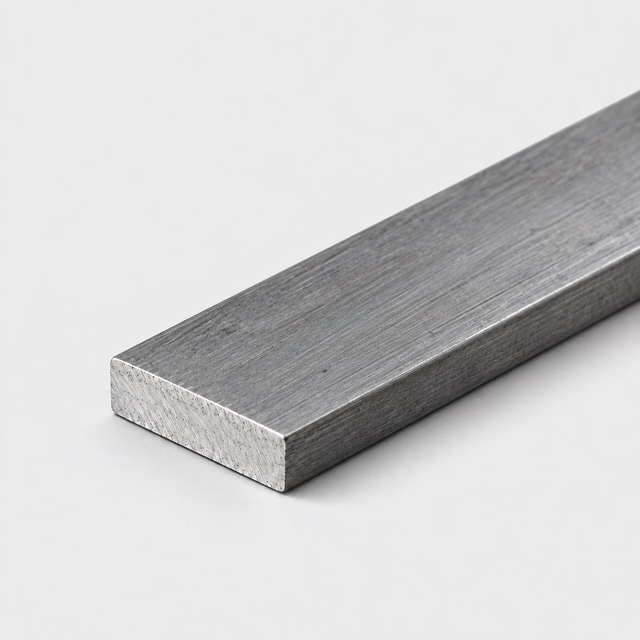
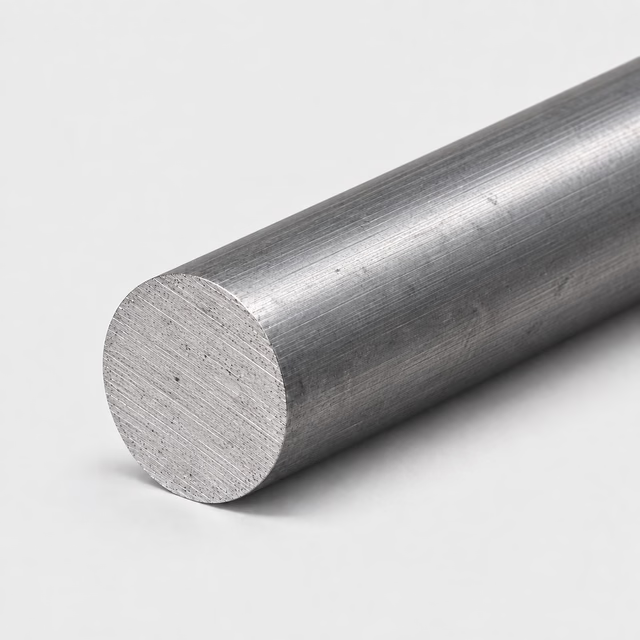
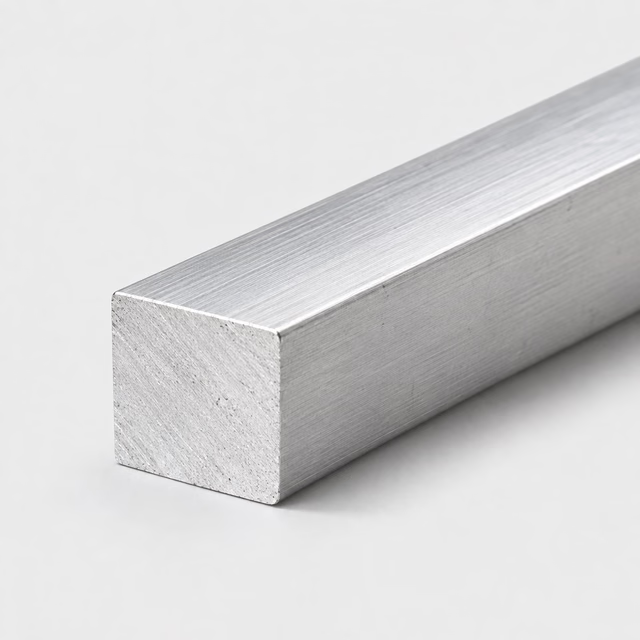
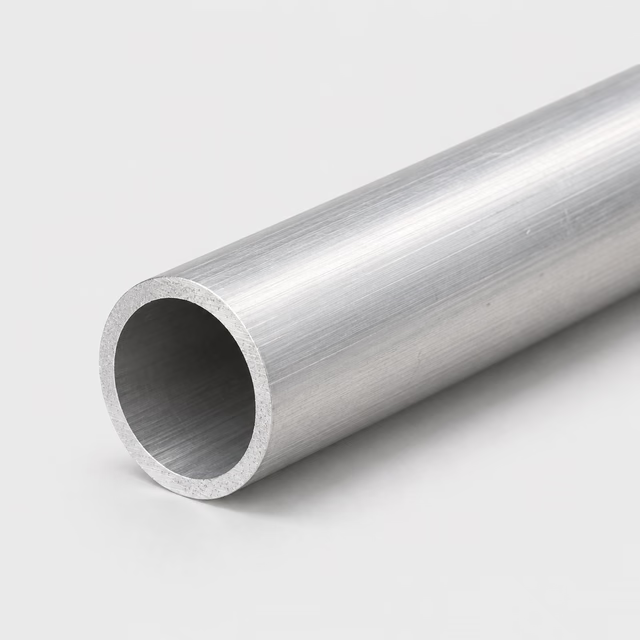
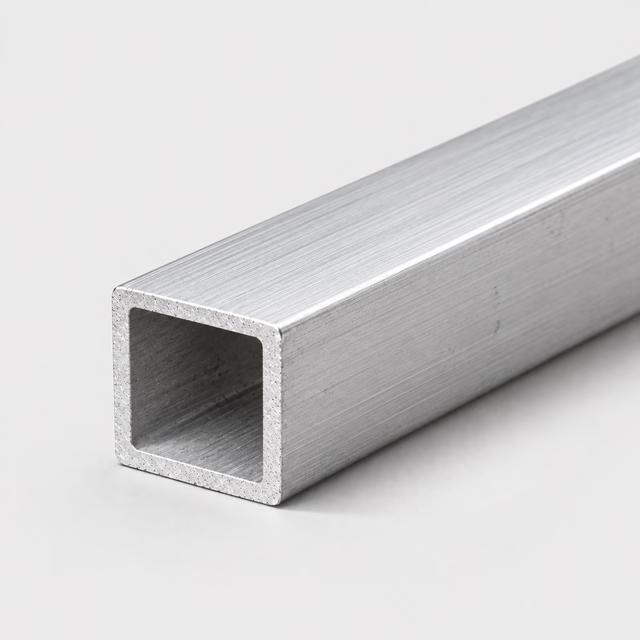
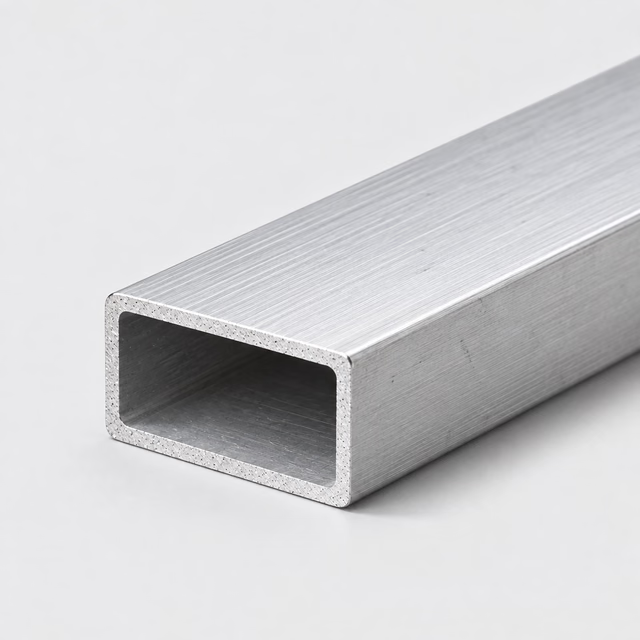
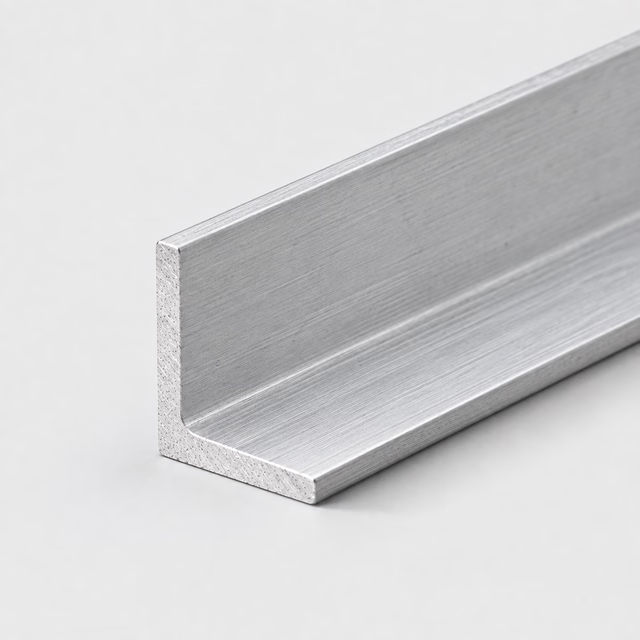
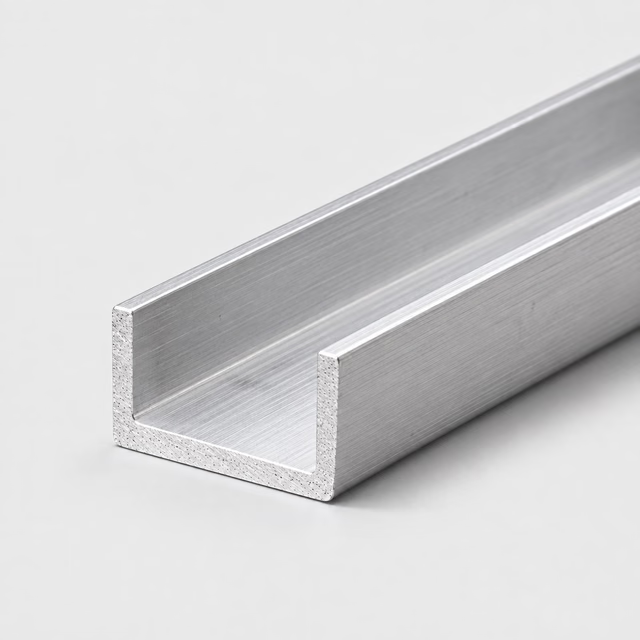
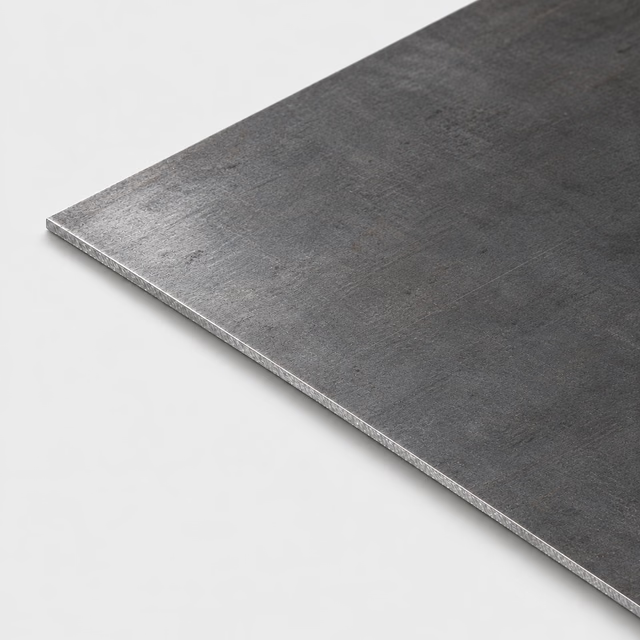
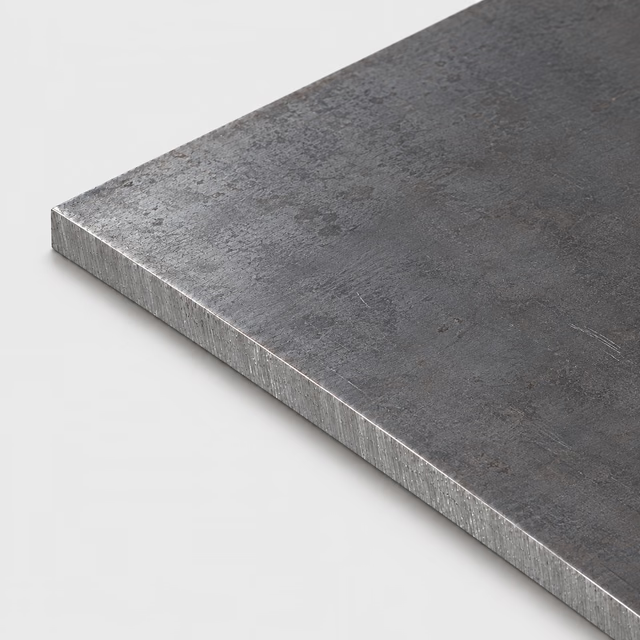
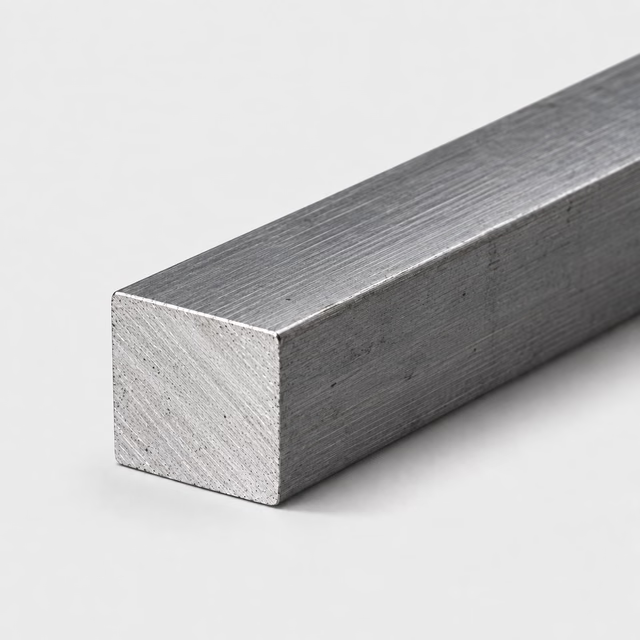
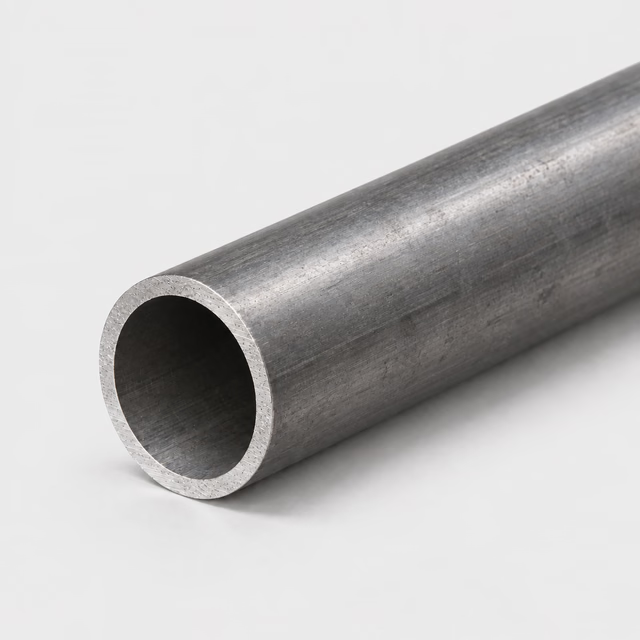
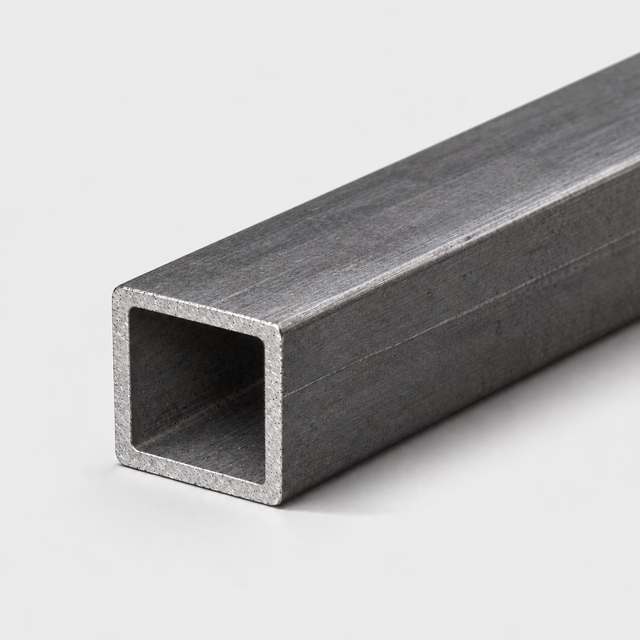
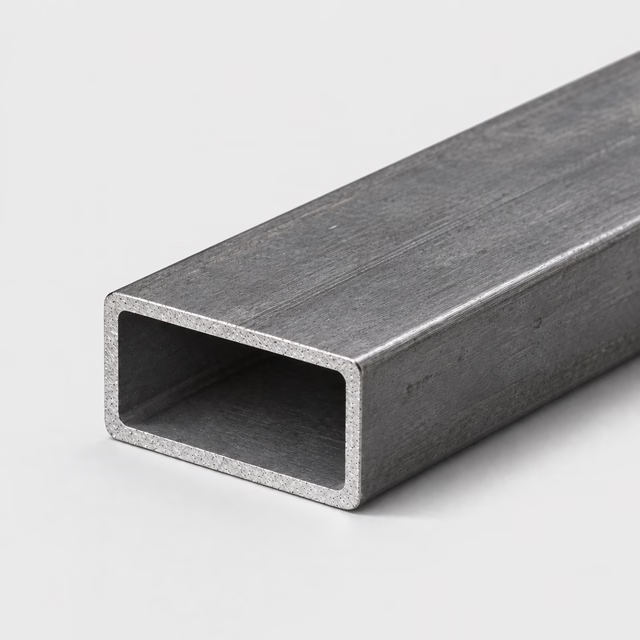
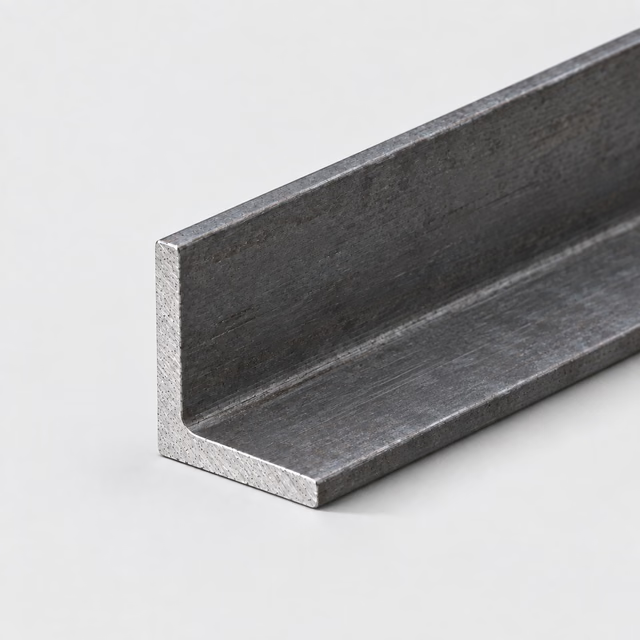
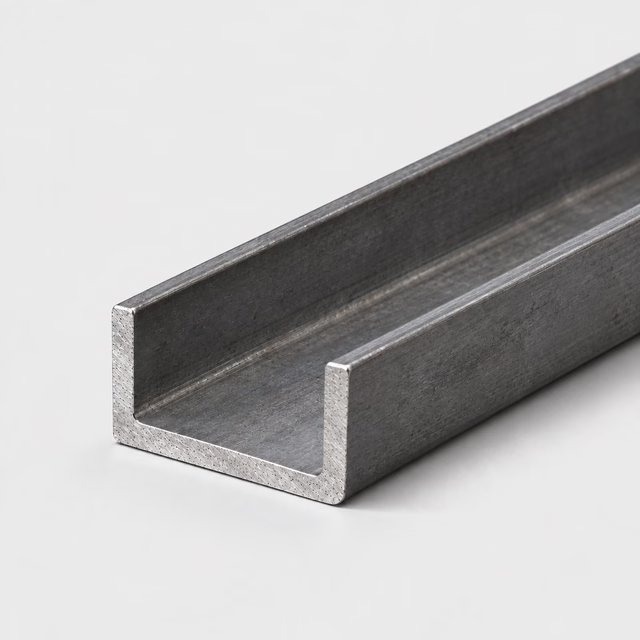
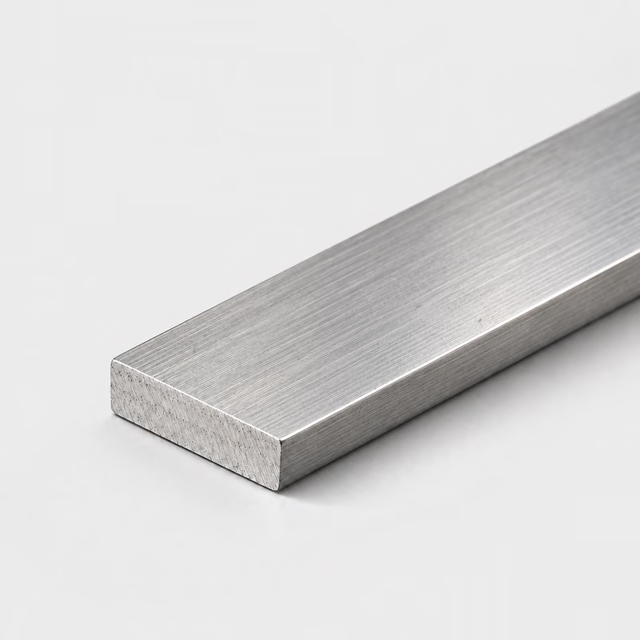
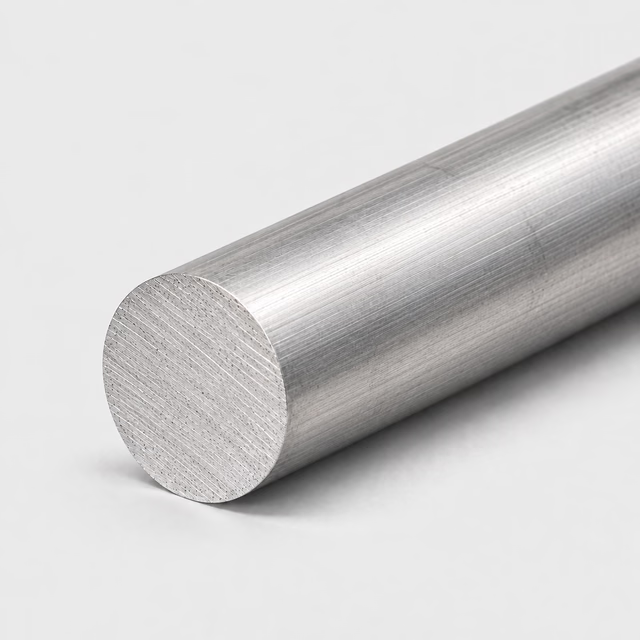
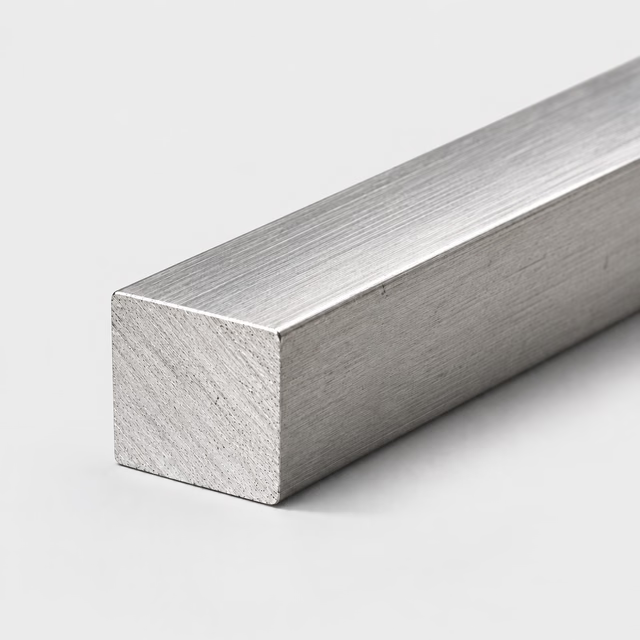
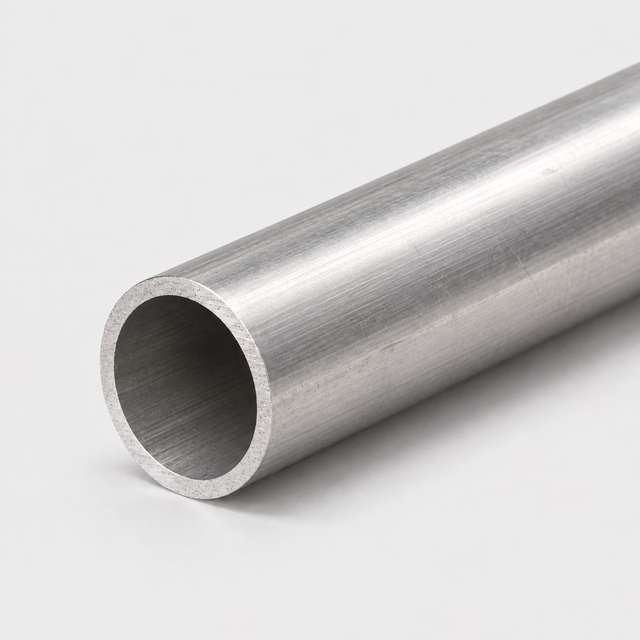
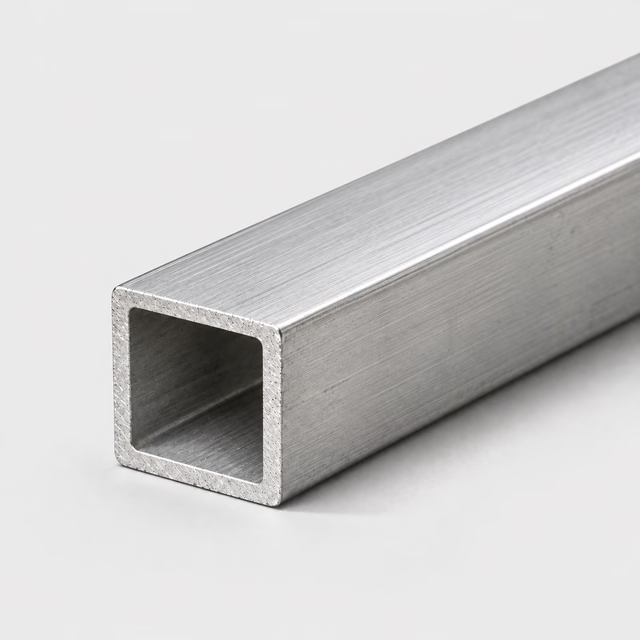
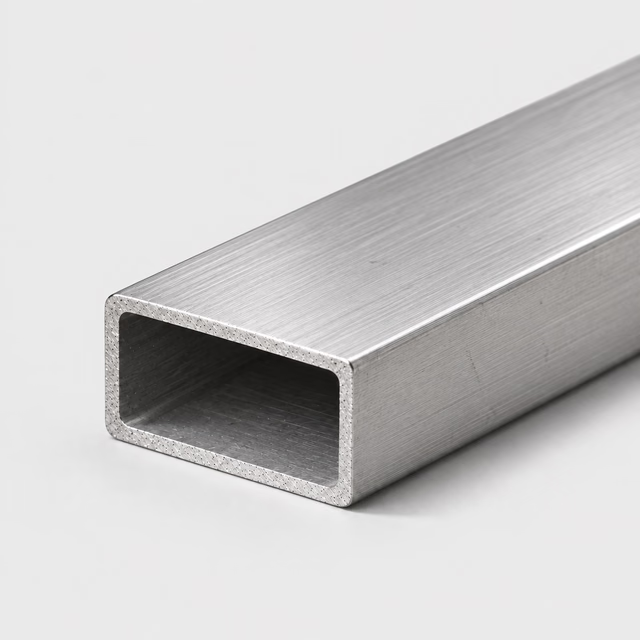
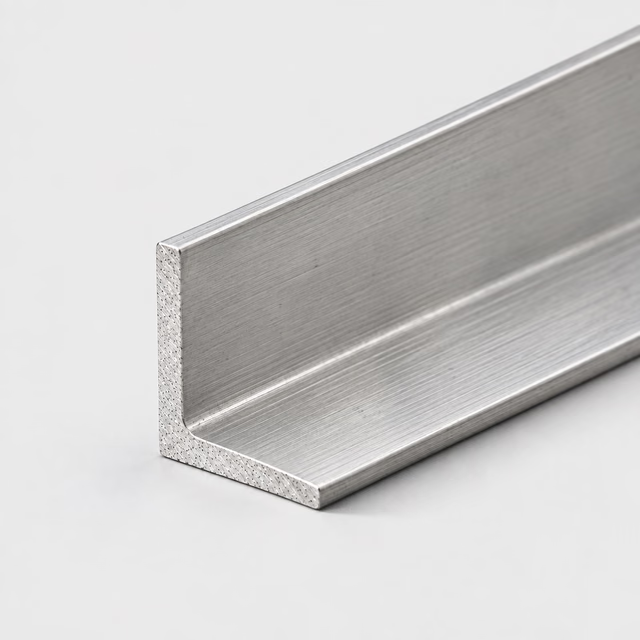
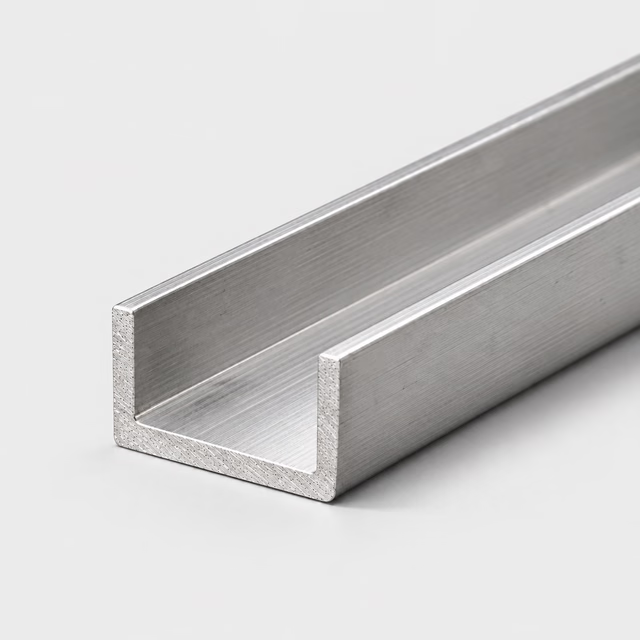
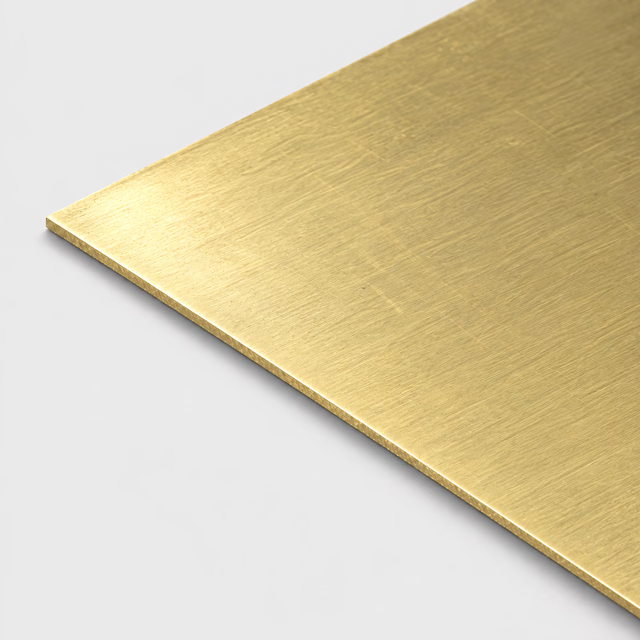
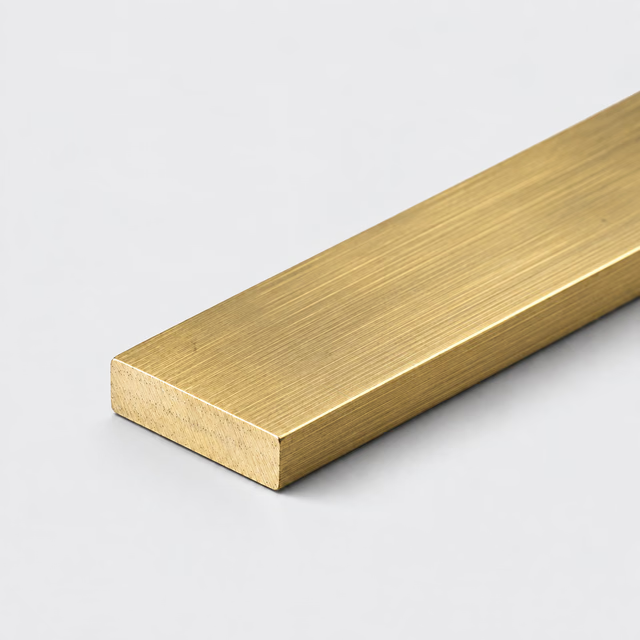
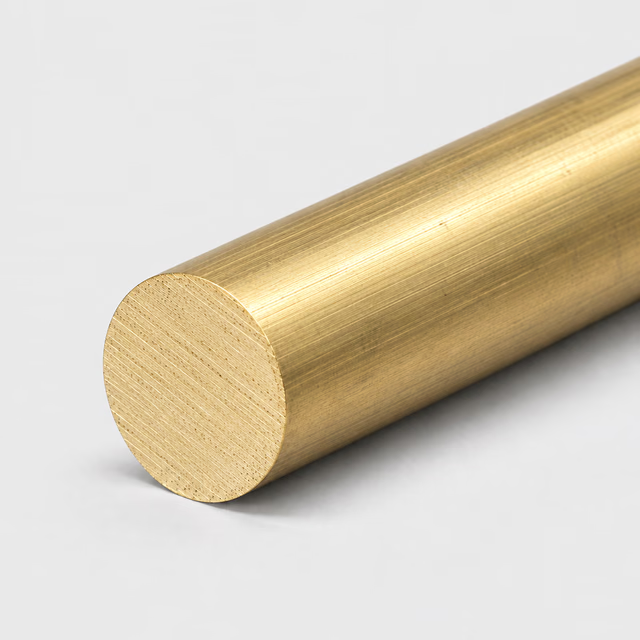
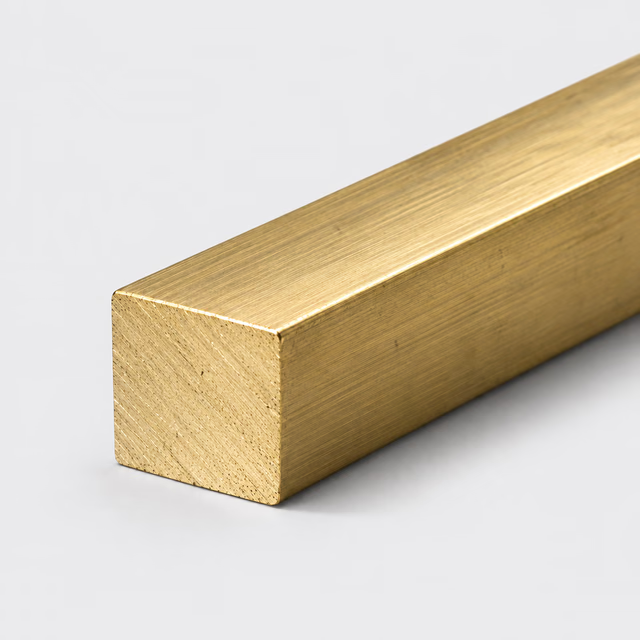
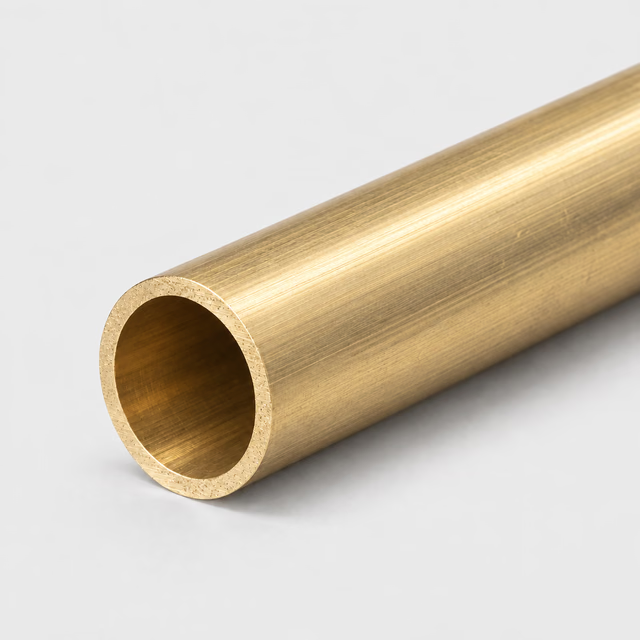
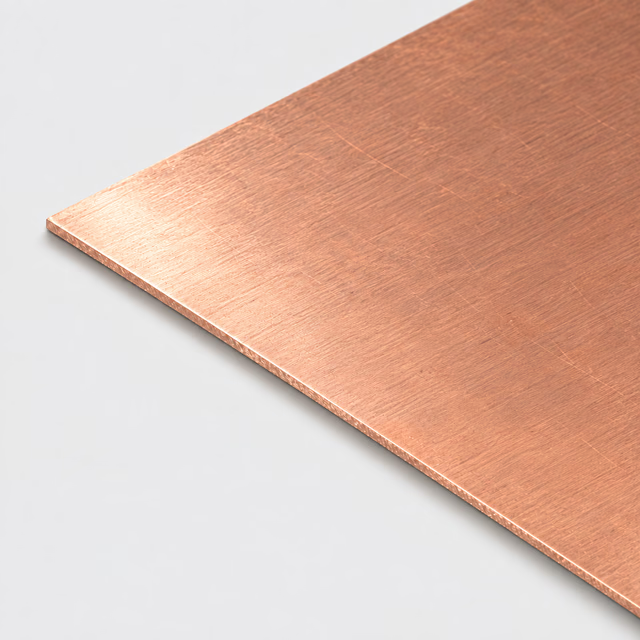
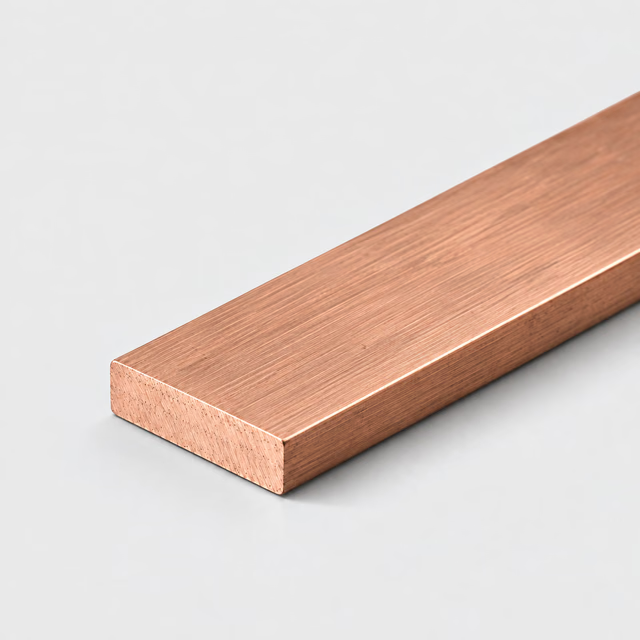
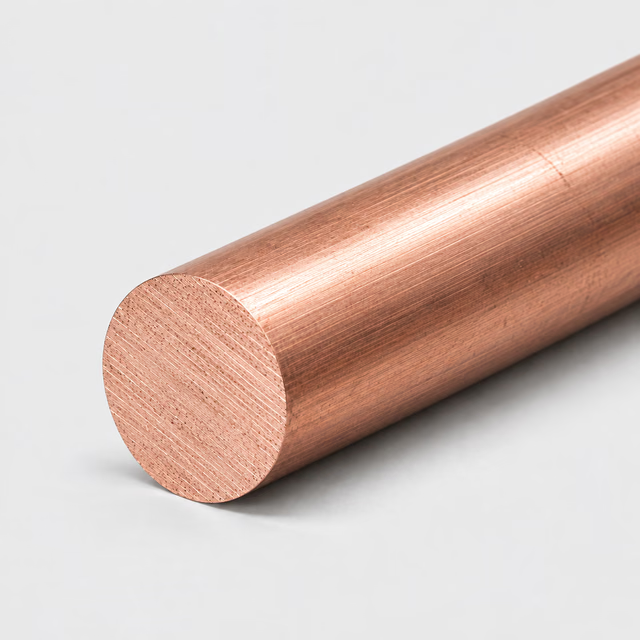
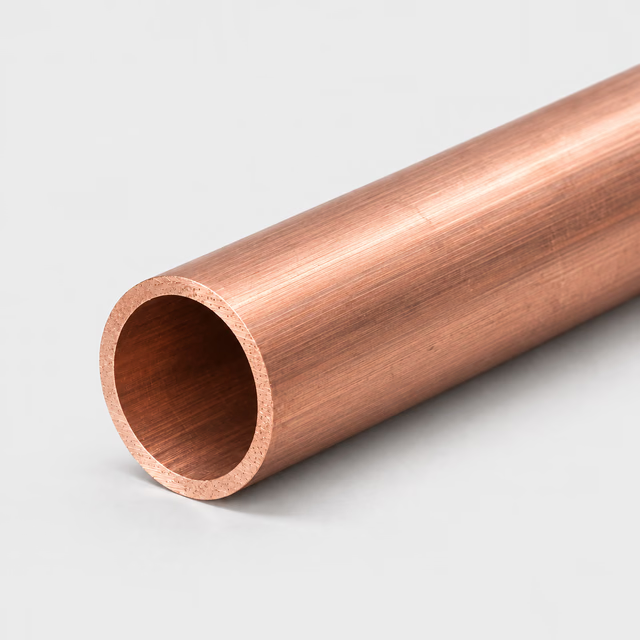
Start with the material your application needs, then choose its shape. Explore five metals across sheet, plate, solid bar, hollow tube, angle and channel. Each family explains what to specify before requesting a cut-to-size quote.
This range describes material and profile combinations available to request. It does not represent live stock, confirmed grades, cutting capacity or delivery dates.
A useful material request starts with the service environment, the work you will do after cutting and the dimensions of the part. A decorative panel, a machined blank and a frame member need different information even when they share a material name. The catalog is a range to request, rather than a live inventory list.
Compare the material guides for grade and condition questions.
Choose the profile that matches the actual cross-section of your part.
Provide dimensions in inches or millimeters, quantity and critical tolerances.
Include a drawing when fit, appearance or a specified standard matters.
01
Match the property to the job, not the material's reputation
Weight, stiffness, corrosion behavior and ease of fabrication answer different questions. A lightweight enclosure may favor a different starting material from a compact machined spacer or an exposed decorative panel. Start with the requirement that limits the design, then consider the processes needed to make the part. A material that looks economical as stock can require extra finishing or a larger section in the finished design. Comparing identical dimensions is useful for weight, but it does not prove equal performance.
02
Compare purchase options on the same basis
A useful comparison includes the requested quantity, cutting scope, usable dimensions, finish work and delivery arrangement. A cheaper raw piece may need additional preparation, while a closer starting size may reduce work at your shop. Ask for alternatives against the same part list rather than comparing unrelated stock lengths. Identify which operations you will perform yourself. Keeping those boundaries visible makes it easier to understand a proposal and decide whether a different starting form is worth considering.
03
Read alloy, condition and finish as separate layers
An alloy designation identifies a material composition, while condition or temper describes a processing state. Finish describes the surface. These layers can affect different parts of the job: a forming operation needs a suitable material condition, while a visible face may need an additional appearance requirement. Writing only aluminum, brass or stainless leaves those choices open. The useful buying sequence is material and alloy, product form and condition, then dimensions and finish, with any fixed drawing requirement carried through each step.
Compare the job each material must do
Compare the job each material must do
Selection priority
Practical tradeoff
What establishes the choice
A part that is easy to move
Material and section both affect finished weight; equal size does not mean equal performance
Weight target together with the design requirements
A formed cover
The blank must suit deformation as well as the final appearance
Alloy, condition, bend geometry and finishing route
A machined component
Closer starting geometry can reduce removal, but the setup still needs usable stock
Finished drawing and machinist's blank specification
An exposed installation
Initial appearance, exposure and later maintenance need to work together
Material suitability and the intended finished surface
FROM A PROJECT IDEA TO A CUT LIST
Example: three clearly specified cut lines
Separate profiles and sizes into their own lines. These illustrative blanks show how to organize a request; the dimensions and quantities do not describe a tested assembly or confirmed stock.
Each line identifies a family, describes the requested section and keeps quantity separate from length. Add your part names, drawing references, alloy and condition requirements, plus any critical finish or tolerance. For example, a brushed visible panel and a hidden mounting bar need different finish notes even if they belong to the same project.
If several pieces are to be cut from one stock length, the sum of finished lengths is only the starting point: cutting loss and end preparation also take material. List the finished pieces you need and have the cutting plan checked instead of assuming that equal total lengths produce the same yield.
The listed range includes aluminum, carbon steel, stainless steel, brass and copper. Aluminum, steel and stainless each have ten profiles; brass has five and copper has four. Each combination is subject to sourcing and cutting review.
Should I choose a metal or a profile first?
Choose the metal first when a drawing specifies an alloy or the environment limits your options. Start with a profile when you already know the shape of the part and want to compare the listed materials.
Can one quote contain different materials?
Yes. Add each material, profile and size as a separate cut line. The request combines those lines with your drawings and delivery details for review.
How can I compare two material quotes fairly?
Use the same part quantities, dimensional basis and included operations for both. Check whether the proposal covers raw stock, cutting, surface preparation, documentation and delivery. A price comparison becomes useful only when you can see which work remains for your own shop.
Does a stronger material always make a better part?
Strength is only one requirement. A part may instead be limited by deflection, weight, corrosion exposure, forming needs or a mating dimension. Increasing strength does not automatically solve those constraints. Compare the properties that control the actual design and the work needed to turn the stock into a usable component.
Should I ask for material paperwork before or after ordering?
Include documentation needs in the initial specification so the supply route can be evaluated with them. Explain whether you need a material report, traceability to a batch or a customer-specific document. Asking later can leave you with stock that cannot support the required record.
What is the difference between a tolerance and a machining allowance?
A tolerance defines the permitted variation around a required dimension. An allowance is material deliberately left for a later operation. A blank can therefore have its own tolerance while still being larger than the finished part. Keeping those concepts separate prevents extra stock from being mistaken for dimensional uncertainty.
Why can the same metal cost more in a different shape?
The starting form changes the manufacturing and supply route, and a finished part may use different amounts of that stock. Cutting, setup, additional machining and finishing also change the project cost. Compare the usable part and remaining operations, rather than expecting price to follow metal weight alone.
Turn your specification into a clear request.
Include the material, dimensions, quantity and critical requirements. Availability, supplied condition, cutting and delivery are confirmed in a reviewed quote.